As a Missouri landowner, you know the thrill of watching white-tailed deer move through your property during the season. But what if your land could consistently hold more deer, provide better nutrition, and create prime hunting opportunities? The answer lies in well-designed food plots — one of the most effective habitat improvements you can make.
At Heartland Land Management and Services, we’ve helped countless Missouri property owners transform neglected acres into thriving deer magnets. Here’s our step-by-step guide to creating food plots that deliver results year after year.
1. Choose the Right Location
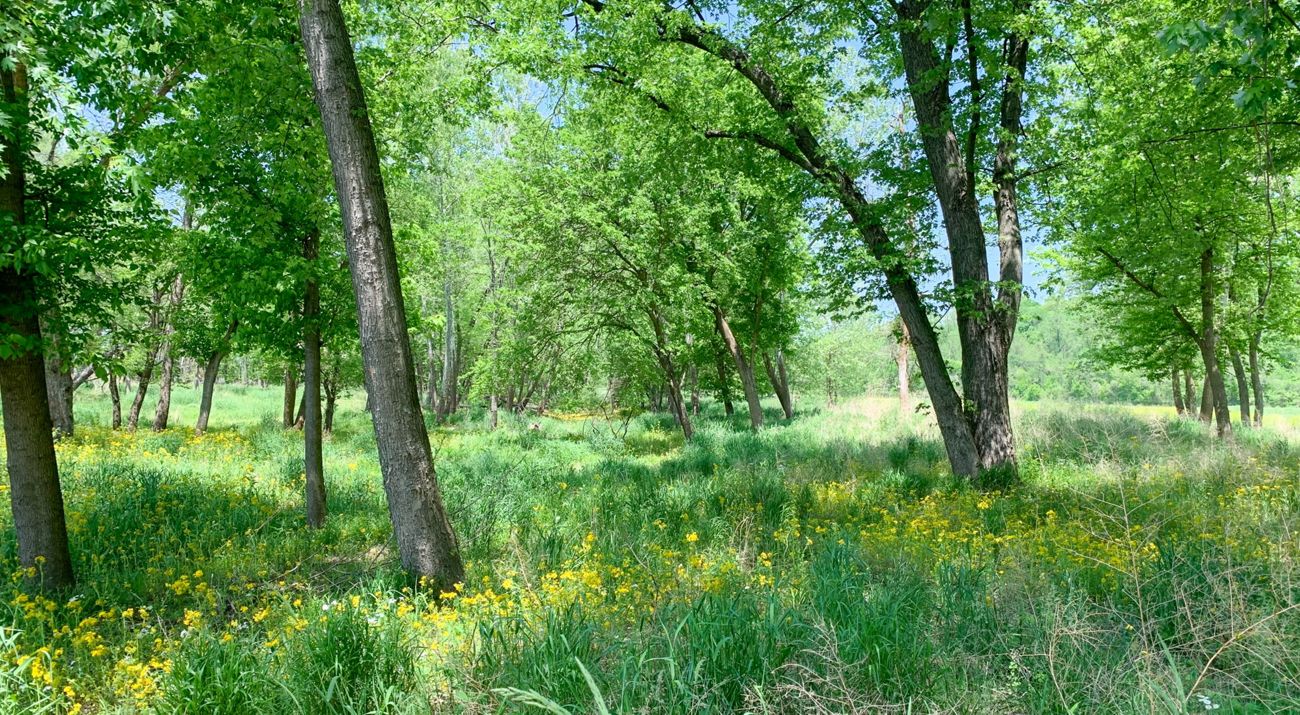
Location is everything. Place food plots near natural travel corridors, bedding areas, or water sources — but always within 50-100 yards of thick cover. Deer prefer to feed close to escape routes, especially during daylight hours.
- Ideal size — Aim for 1-5 acres per plot. Larger plots provide more forage and reduce browsing pressure.
- Shape & design — Use long, narrow “strips” or “hub-and-spoke” layouts to create natural shooting lanes while funneling deer movement.
- Missouri tip — In the Ozarks or northern timber country, position plots on south-facing slopes for better sun exposure and faster growth.
2. Test and Prepare Your Soil
Healthy soil equals healthy plants. Start with a soil test (available through your local MU Extension office) to check pH and nutrients.
- Most Missouri soils benefit from lime to reach a pH of 6.2-6.8 for optimal clover and legume growth.
- Add fertilizer based on test results — focus on nitrogen, phosphorus, and potassium.
- Pro tip — We handle soil analysis, tilling, discing, and amendments so your plots establish quickly and stay productive.
3. Select the Best Crops for Missouri Deer
Mix warm-season and cool-season plants for year-round attraction:
- Spring/Summer — Soybeans, clover (ladino or red), alfalfa, chicory.
- Fall/Winter — Cereal grains (oats, wheat, rye), brassicas (turnips, radishes), and blends like Imperial Whitetail or Missouri Southern Seed mixes.
- Perennials — Clover and chicory for low-maintenance, long-term forage.
Rotate crops annually to prevent soil depletion and maintain palatability.
4. Planting and Maintenance Best Practices
- Timing — Plant cool-season plots in late summer/early fall (August-September) and warm-season in spring (April-May).
- Seeding rates — Follow package recommendations, but overseed edges for thicker cover.
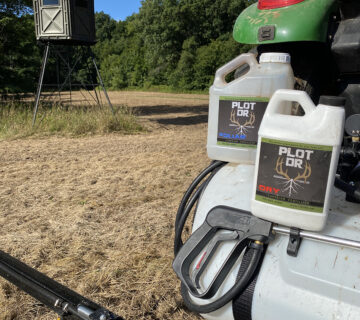
- Weed control — Mow or spray invasives early — we provide compliant brush control and pest management.
- Ongoing care — Fertilize mid-season, mow to encourage regrowth, and monitor for over-browsing.
5. Bonus: Integrate with Other Habitat Improvements
Food plots work best alongside shooting lanes, mineral sites, trail cameras, and strategic timber management. Our team creates turnkey setups — from clearing overgrowth with forestry mulching to installing blinds and feeders — so you get the full hunting experience without the hassle.
Ready to Attract More Deer This Season?
Proper food plots can dramatically increase deer sightings, improve herd health, and make your property a destination. If you’re short on time, equipment, or expertise, Heartland Land Management and Services handles everything from soil prep to final seeding.
Contact us today for a free consultation and let’s turn your Missouri land into the hunting paradise you’ve always envisioned.
Transforming land dreams into reality — one food plot at a time.