
Restore & Prepare
Your Missouri Land the Right Way
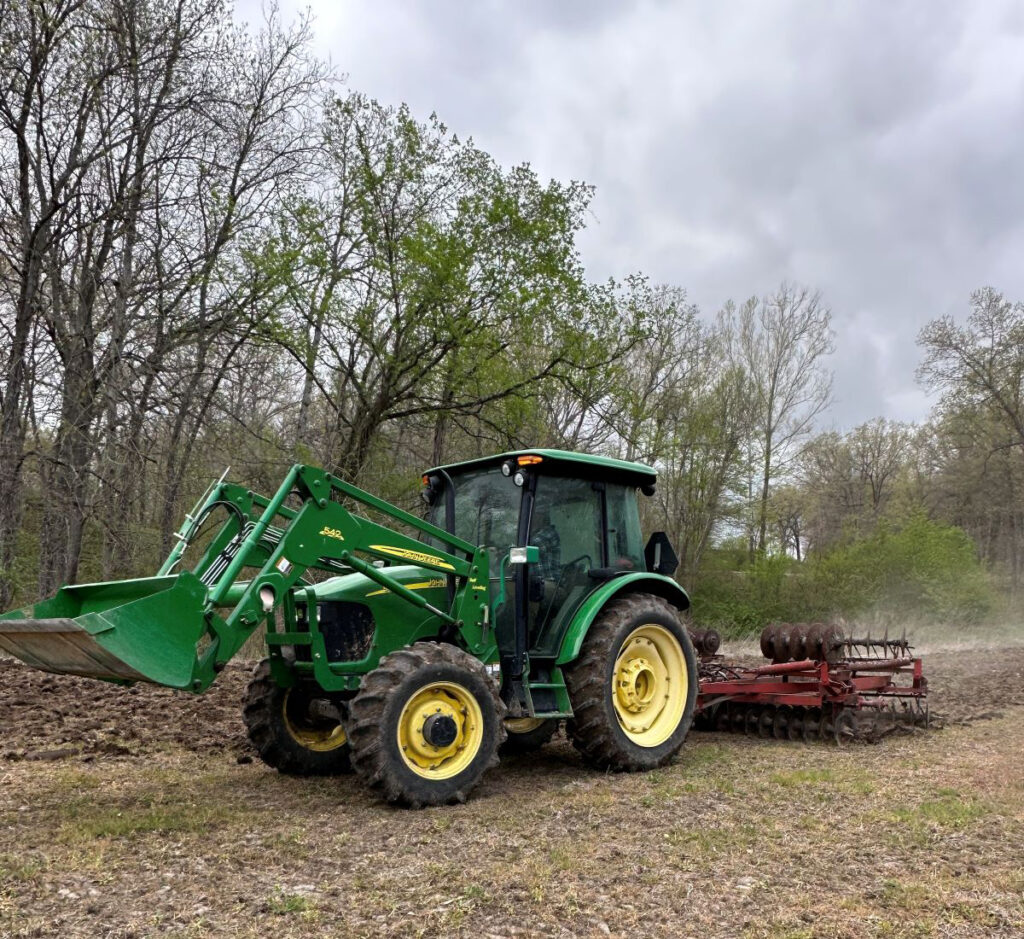
Missouri properties can quickly become overgrown, waterlogged, or choked with unwanted vegetation—whether it’s invasive brush, cedar thickets, or young trees taking over fields and edges. Land Conditioning from Heartland Land Management Services revives neglected or challenging land, creating a clean, usable foundation for hunting, recreation, food plots, future agriculture, trails, or simply enjoying your property again.
We don’t believe in one-size-fits-all solutions. Too many landowners hear “mulching” and assume it’s the automatic answer for clearing brush or trees. The reality is more nuanced—and choosing the wrong method can cost you time, money, and future options. Our in-house team takes the time to understand your end goal before we ever start work. No consultation fees, no pressure—you pay only for results that match what you actually need.
Why Proper Land Conditioning Matters in Missouri
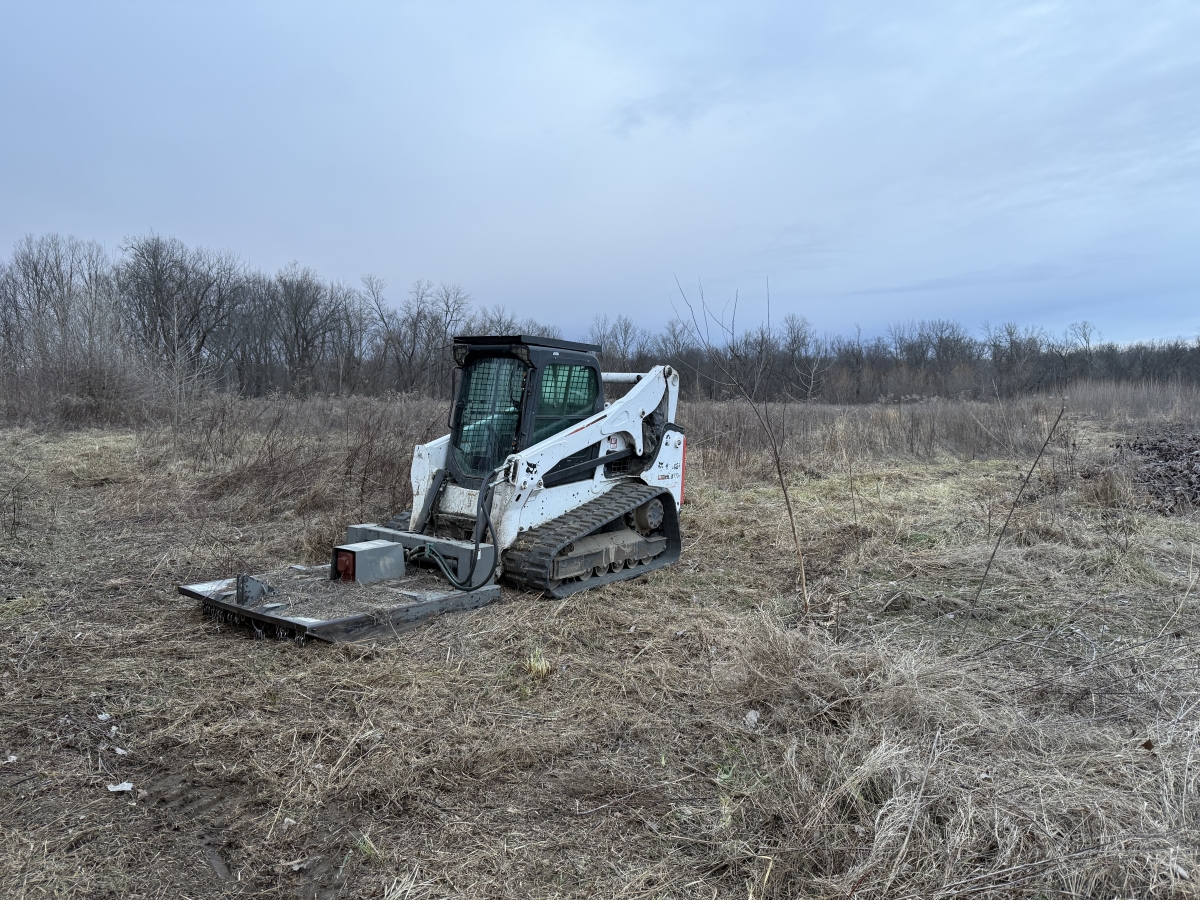
Overgrown land reduces usable space, harms wildlife habitat, blocks access, and lowers property value. Common issues include:
- Invasive species (bush honeysuckle, autumn olive, sericea lespedeza, multiflora rose) crowding out natives
- Poor drainage creating mud, standing water, and lost acres
- Young trees and brush invading former fields or food plot areas
- Compacted or eroded soil from neglect or past misuse
The biggest mistake we see? Landowners rushing to “mulch everything” without understanding what happens next. Mulching grinds vegetation into place—but leaves the entire root system alive in the soil. Those roots continue to compete aggressively and can choke out new plantings (food plots, native grasses, cover crops, or agricultural crops). Trying to kill them afterward often requires heavy herbicide use—which can cross legal limits—or expensive follow-up root grinding with a power rake or tiller.
When Mulching Is the Right Choice (and When It Isn’t)
Mulching is a valuable tool—but only in the right situations:
- Areas you do not plan to till, plant, or farm in the future
- Places where you want low soil disturbance and immediate erosion control
- Sites where the ground-up material will benefit the soil and suppress regrowth naturally
In those cases, mulching is excellent: it recycles nutrients, reduces erosion, avoids hauling debris, and leaves a clean, natural look.
But if you plan to:
- Plant food plots
- Seed native grasses or cover crops
- Convert land to tillable ground
- Establish new pasture or wildlife openings
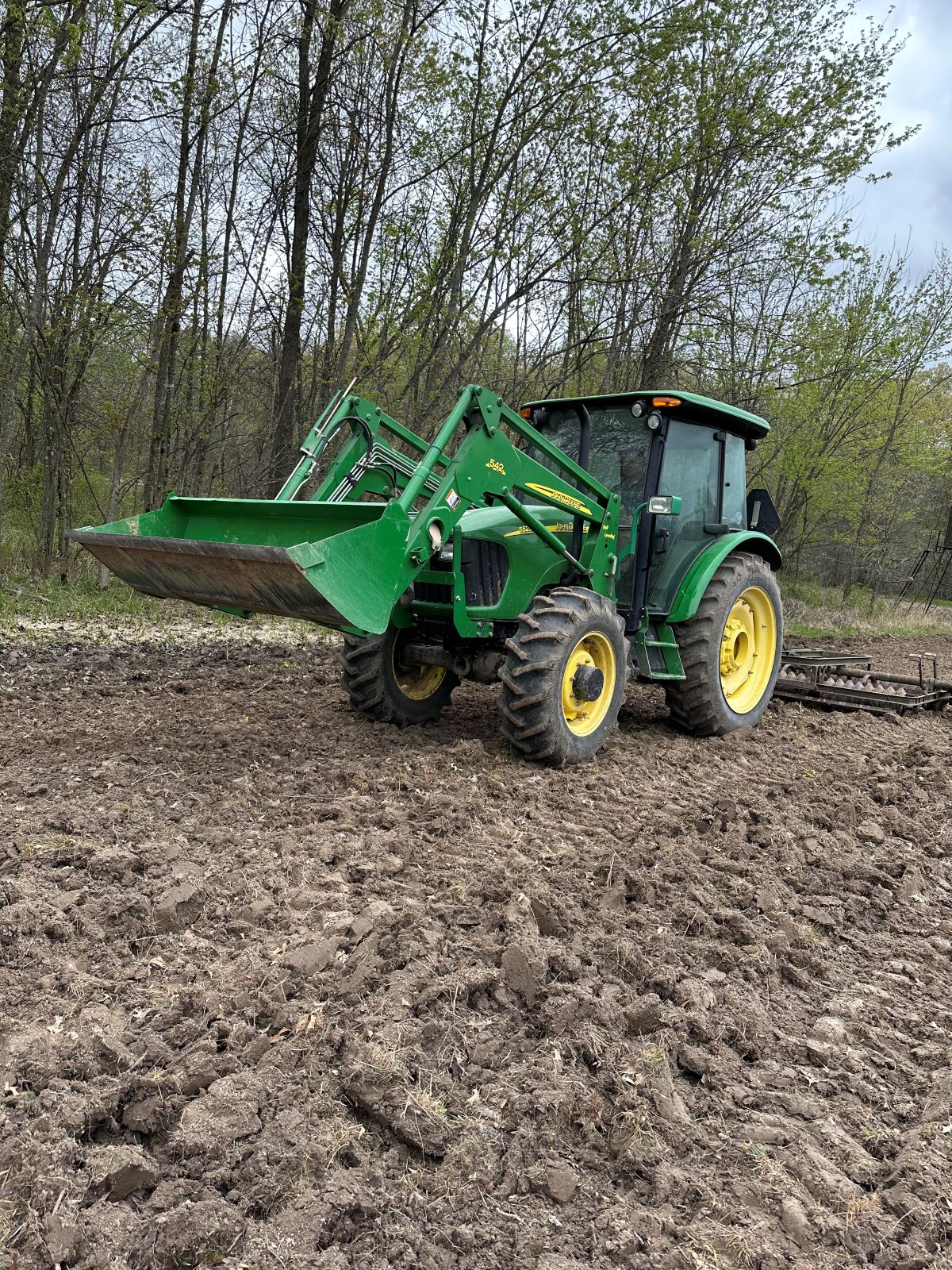
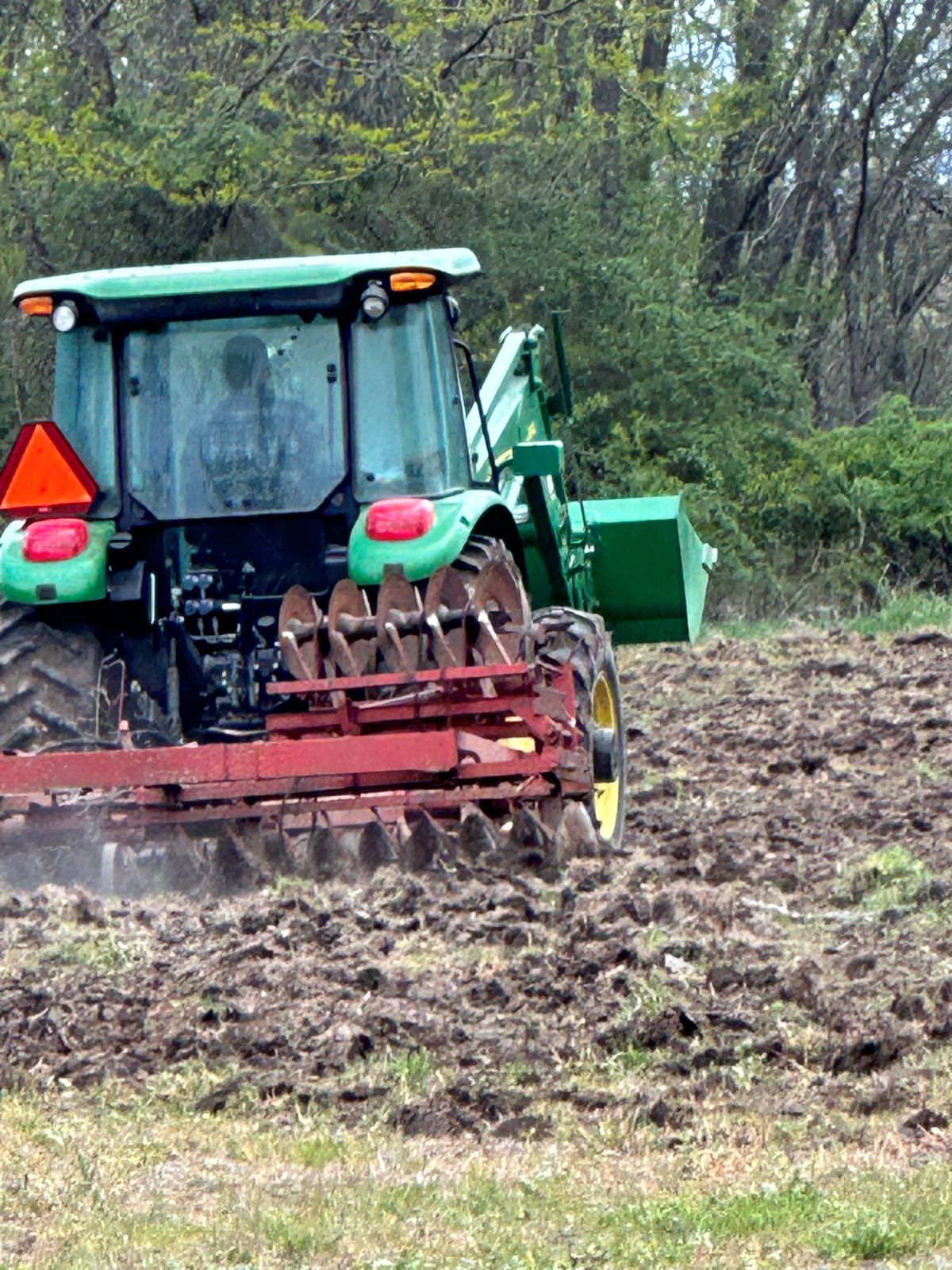
…then mulching is usually not the best first step. The roots will remain and fight your new plants. In these situations, we recommend complete removal—pulling trees and larger brush with equipment that extracts the root ball, or other root-eliminating methods—so the ground is truly ready for planting and future use.
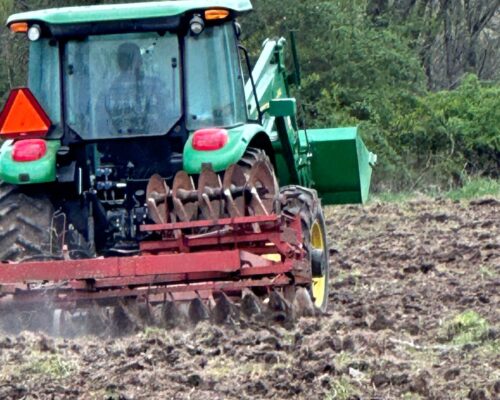
Our Land Conditioning Process – Tailored to Your Goals
- Free On-Site EvaluationWe visit your property at no charge to listen to your plans, walk the ground, identify invasives, assess drainage, and determine what you ultimately want to do with the land.
- Honest, Goal-Based RecommendationWe explain the pros, cons, and long-term implications of every option—mulching, tree pulling/root removal, brush cutting, or a combination—so you can choose what’s truly right for your property
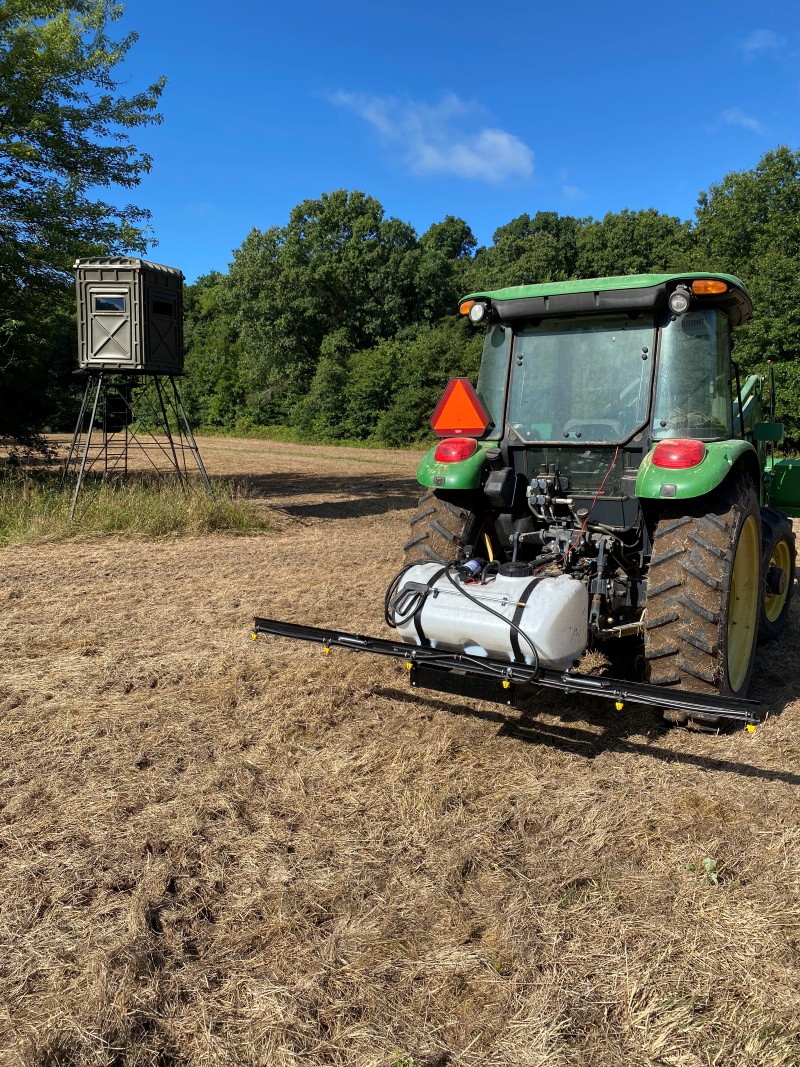
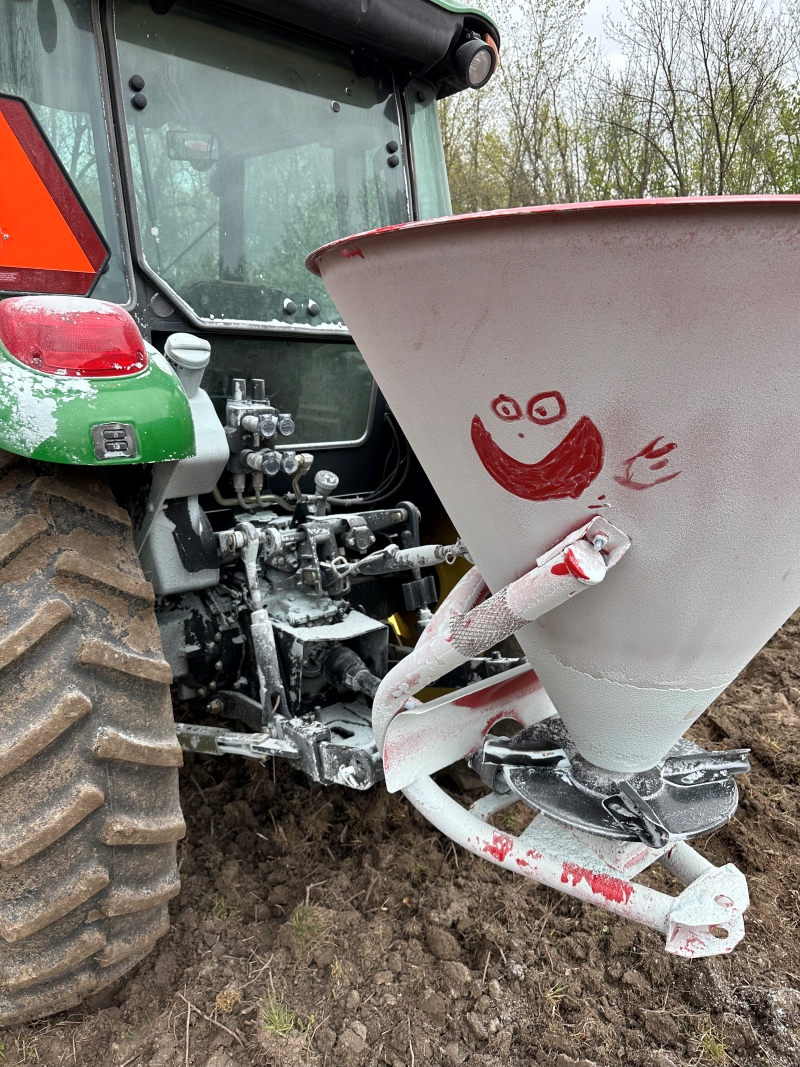
- One-Team ExecutionWe use the correct equipment and method for your specific situation: Tree pulling and root extraction for future tillable or plantable areas Selective mulching only where it fits (non-ag zones needing erosion control) Drainage improvements (swales, ditches, culverts) Soil prep (aeration, light grading, erosion control seeding when needed)
- Clean Finish & GuidanceWe leave your land in great shape—no stumps, no torn ground where it matters—and provide clear recommendations for next steps (planting timing, follow-up weed control, etc.).
Key Benefits
of Doing It Right
- Ground truly prepared for food plots, native seeding, or future agriculture
- Reduced long-term maintenance (no fighting root regrowth year after year)
- Better erosion control where needed
- Healthier wildlife habitat with less competition from invasives
- Safer, more accessible land for trails, family use, or hunting
- Increased property value and enjoyment—especially important for out-of-state owners or those planning to sell
We know Missouri’s diverse landscapes
Ozark rocky soils, Bootheel clay bottoms, northern prairie fields—and how invasive behave in each region. All work aligns with Missouri Department of Conservation guidelines for sustainable land improvement
Choose the Right Method—Not the Quick Fix
Don’t let “mulching” become an expensive shortcut that limits your future options. Let Heartland help you understand what your land really needs so you get results that last.
Call Heartland Land Management Services today
at 573-433-5487
to schedule your free consultation.
We’ll walk your property, explain your real choices, and condition your Missouri land the smart way.